

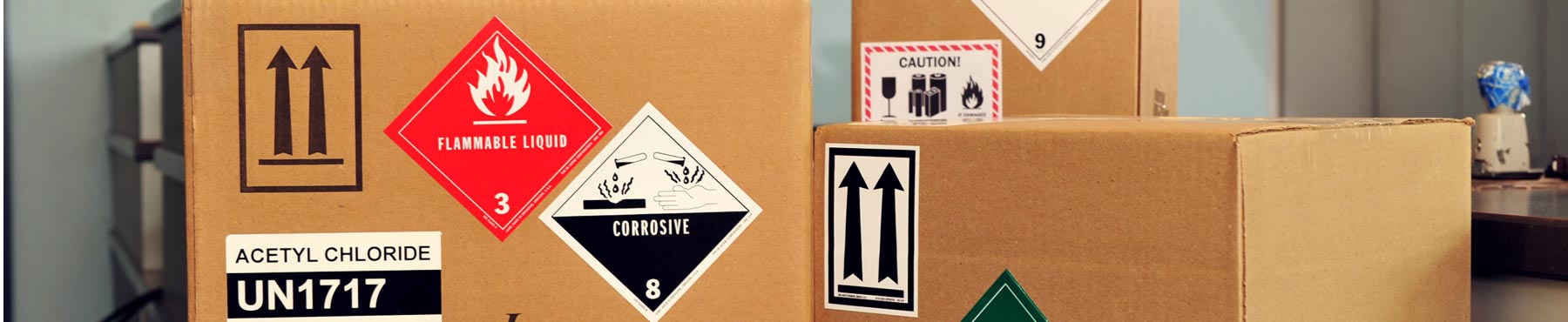
While specific restrictions apply to the transport of some items, other items cannot be brought onto the plane at all.
Please refer to the links below to see what you can and can’t bring in your carry-on and checked baggage.
You can also find essential information on the Canadian Air Transport Security AuthorityOpens in New Window (CATSA) website.
Common Items
Batteries and Personal Electronic Devices
The following Anker power banks pose a fire hazard and are prohibited on board:
- Anker Power Bank A1647
- Anker Zolo Power Bank A1681
- Anker Zolo Power Bank A1689
For more information on this recall and for safe handling advice, visit the Government of Canada website.
The acceptance and packaging rules below apply to:
- Personal electronic devices (PEDs), including cameras, mobile phones, drones, laptops, tablets and camcorders.
- Spare cells or battery packs normally used for camera equipment, mobile phones, drones, power tools, power banks, etc.
Watt Hours
Watt hours (Wh) are calculated by multiplying voltage (V) by ampere-hours (Ah):
- Volts x Amps = Watt Hours (Wh)
Battery Safety
All cells and battery packs must be individually protected to prevent short circuits, e.g.:
- Exposed terminals can be taped over.
- Individual cells or battery packs can be in their original retail packaging or stored in a protective pouch or case, or a separate plastic bag.
Maximum Quantities
Each passenger may bring maximum quantities as follows in carry-on baggage only*:
| (PEDs) Containing Cells or Battery Packs | Maximum 15 devices |
|---|---|
| Spare Cells or Battery Packs | Maximum 20 spare cells/battery packs. Of these 20, no more than:
|
Exception - Only the following devices are permitted in or as checked baggage:
- Electric toothbrushes and/or shavers
- Large medical devices, such as a portable kidney dialysis machine.
Lithium Metal Cells and Battery Packs
The following are permitted in carry-on baggage only*:
- Personal electronic devices containing lithium metal cells or battery packs with a maximum lithium metal content of 2 grams or less.
- Spare lithium metal cells or battery packs with a maximum lithium metal content of 2 grams or less.
- If the cells or battery packs are removed from the device and carried on board, the device can remain in checked baggage.
Lithium Ion Cell Battery Packs - with a rating of less than 100 Wh each
The following are permitted in carry-on baggage only*:
- Personal electronic devices containing accepted lithium ion cells or battery packs with a rating of less than 100 Wh each
- Spare lithium ion cells or battery packs with a rating of less than 100 Wh each
If the cells are removed from the device and carried on board, the device can remain in checked baggage.
Lithium Ion Batteries - with a rating of 100 but not exceeding 160 Wh
- One battery can remain installed on the device (e.g. video camera).
- A maximum of two (2) individually protected spare lithium ion batteries with a rating of 100 Wh but not exceeding 160 Wh may be carried per passenger in carry-on baggage only*, pending approval by Air Canada airport agents.
Alkali-manganese (alkaline), Zinc-carbon (dry cell), Nickel Metal Hydride (NiMH), Nickel Cadmium (NiCd) and Silver Oxide Batteries
- Devices containing these types of cells or spare cells are permitted in carry-on baggage only*. If the cells are removed from the device and carried on board, the device can remain in checked baggage.
Sealed Lead Acid (SLA) Non Spillable Batteries
- A maximum of two (2) sealed lead acid (SLA) non spillable batteries with a maximum rating of 12 volts / 8.3 Amps (100 Wh) are permitted in carry-on baggage only*.
- Devices containing these types of batteries or spare batteries are permitted in carry-on baggage only*. If the battery is removed from the device and carried on board, the device can remain in checked baggage.
* On smaller aircraft (e.g. Jazz Dash-8 or CRJ) with limited onboard storage space, you’re asked to deposit your carry-on items on a Skycheck cart as you board the plane. Battery-powered devices Personal electronic devices containing batteries and spare cells or batteries must always be removed from carry-on baggage that is deposited on such carts and must carried into the aircraft cabin.
Battery-powered vehicles and devices
Battery Powered Mobility Aids
- Spillable, non-spillable and lithium ion batteries for battery-powered mobility aids (e.g. wheelchairs) are accepted but require special handling. See our wheelchair and mobility aid page for more information.
Battery Powered Medical Devices
- Batteries used to power portable battery-powered medical devices [e.g. a Personal Oxygen Concentrator (POC), Continuous Positive Airway Pressure (CPAP) ] may be carried onboard to power these medical devices, but the use of these devices on board the aircraft are subject to prior approval for transport by the Air Canada Accessibility Services.
Small lithium battery-powered vehicles
Small lithium battery-powered vehicles are not accepted in either checked baggage or carry-on baggage due to safety concerns associated to the lithium batteries that power them.
- Prohibited vehicles include: hoverboards, AirBoards, electric skateboards, airwheels, mini-Segways, balance wheels, battery-assisted bikes and electric scooters. Motorized and riding luggage (i.e. Modobag) are also prohibited.
- If you require mobility assistance at the airport, please contact Air Canada Accessibility Services.
- Please contact Air Canada CargoOpens in New Window for detailed information on the safe shipment of your vehicle.
Drones
Drones are accepted in carry-on baggage on the condition that they remain turned off and safely stowed at all times. They cannot be used onboard the aircraft.
Drones are accepted in checked baggage: the lithium batteries must be removed from the drone and carried onboard in carry-on baggage. Drones must be properly packaged for shipping.
Camping Equipment
The following are only accepted as checked baggage:
- A new unused camping stove in its original, unopened package.
- A used camping stove that has contained flammable liquid such as kerosene, liquefied petroleum gas, propane, butane and isobutene. The used camping stove will be accepted only if:
- the fuel tank or fuel cell has been removed from the stove;
- the fuel tank or fuel cell has been completely drained of all liquid fuel and rinsed with a neutralizing agent such as cooking oil;
- the fuel tank is closed with the cap securely fastened, is wrapped in absorbent material such as a paper towel, and then placed in a polyethylene or equivalent bag. The top of the bag must be sealed or gathered and closed with an elastic band or twine.
The following are not accepted in either carry-on or checked baggage:
- Fuel tablets
- Camping stove gas cartridges such as butane\propane mix or propane cylinders and liquid fuel
Insect repellents (aerosol and non-aerosol) are accepted if they’re non-toxic and non-flammable:
- in carry-on baggage provided the canister contains no more than 100ml (3.4oz);
- in checked baggage provided the release valve is protected by a cap or other suitable means to prevent inadvertent release of the contents.
Curling Irons and Lighters
Curling irons:
- One (1) gas-operated curling iron with its hydrocarbon gas container is accepted in checked baggage, provided the safety cover is securely fitted over the heating element.
- One (1) curling iron without the gas container is accepted in carry-on baggage.
- Separate gas refills for curling irons are not permitted in either carry-on or checked baggage.
Lighters:
Only one of the following items, intended for individual use, is permitted when it is carried on one’s person (e.g. in pocket or purse):
- One (1) Bic-type butane lighter, OR
- One (1) USB lighter, OR
- One (1) book of matches
No other type of lighter is accepted in carry-on or checked baggage.
For departures from the United-States, Bic-type lighters are the only lighters accepted past US pre-clearance checkpoints. Fuel refills are not permitted in either carry-on or checked baggage.
Dry Ice, Brine or Gel / Ice Packs
If you plan to travel with items packaged in dry ice or brine, or using gel/ice packs, please make sure to review the requirements detailed below.
Note: Styrofoam packaging is fragile and is not accepted in either carry-on or checked baggage.
Dry ice:
Items packed in dry ice (e.g., fish and seafood) are accepted in carry-on and checked baggage provided they are properly wrapped/packed to protect against leakage, then placed in a box, carton or container that:
- is properly vented to allow for the release of carbon dioxide gas,
- is in good condition and free of any damage.
Dry ice must not exceed 2.5 kg (5.5 lbs) in total weight (for carry-on and checked baggage combined) per passenger.
Checked baggage restrictions:
- If you're travelling with a dry ice container as part of your checked baggage, you must:
- arrive at the airport at least 60 minutes in advance of the recommended check-in time for your flight to ensure proper handling and
- sign a declaration form that certifies that the package is in good condition and provides a description of contents.
If your itinerary includes a connecting flight with another airline, you may NOT travel with a dry ice container as part of your checked baggage due to special handling requirements.
Brine:
Because brine spillage is corrosive, fish and seafood must be packaged in leakproof containers, then be packed in plastic bags inside *waxed* cartons.
Styrofoam packaging is fragile and is not accepted in either carry-on or checked baggage.
Gel/ice packs:
Gel and ice packs are subject to all liquid and gel restrictions (see Liquids and gels section below).
If you must keep an item cool, you may want to use frozen peas as an alternative to a gel/ice pack.
Exception: gel/ice packs that are used to refrigerate medication are exempt from these restrictions, provided the medication bears a label or is accompanied by a doctor's/pharmacist's note stating that refrigeration is required.
Liquids and Gels (including aerosols, toiletries and alcoholic beverages)
Accepted items include alcoholic beverages, perfume, cologne, aerosols and medicines containing alcohol. Release valves on aerosols must be protected by a cap or other suitable means to prevent inadvertent release of the contents.
The following items are not accepted in checked or carry-on baggage:
- Canned oxygen (also known as recreational or flavoured oxygen)
- Alcoholic beverages with an alcohol content of 70% or more
Carry-on baggage
- They are in containers of 100 ml/ 100 g (3.4 oz.) or less.
- Containers over 100mL/100g (3.4oz) will be confiscated from carry-on baggage at the security checkpoint.
- The containers are placed in one (1) clear, closed and re-sealable plastic bag no larger than 1 litre (1 quart).
- One re-sealable plastic bag per passenger is permitted.
Checked baggage
- Liquids, gels and aerosols (e.g. hairspray, medicines containing alcohol, perfume, and cologne) are accepted in checked baggage provided:
- Their total capacity doesn’t exceed 2 L or 2 kg (75 fl. oz.) per passenger.
The acceptance of alcoholic beverages in checked baggage is based on their alcohol content:
- Alcohol content of no more than 70% (140 proof): accepted in checked baggage
- Alcohol content of more than 70% (140 proof): not accepted in either checked or carry-on baggage.
MREs (Meals, Ready-to-eat)
MREs - Meals Ready to Eat - and self-heating meals or beverages are not accepted on board our aircraft, in either carry-on or checked baggage.
Oxygen for Medical Purposes
Only certain models of personal oxygen concentrators (POCs) are accepted sources of medical oxygen for customers requiring supplemental oxygen during flight.
Read additional information for passengers requiring oxygen for travel.
The following are not accepted in either your carry-on or checked baggage:
- Personal oxygen cylinders and oxygen generators;
- Canned oxygen (also known as recreational or flavoured oxygen);
- Personal medical oxygen devices that use liquid oxygen.
- These devices are also prohibited on one's person.
Powders and granular materials
Inorganic powders and granular materials include products such as:
- bath salts, sea salt, baby powder, foot or body powder, powdered dry shampoo
- baking powder or soda
- powdered detergent
- sand
- Organic powders such as baby formula, protein powder, tea, or coffee
Checked baggage: Powder substances and granular materials over 350 mL (12 oz.) must be in checked baggage.
Carry-on baggage: Powders and granular materials in quantities not exceeding 350 mL (the size of a soda can) are permitted in carry-on baggage.
- Powders and granular materials in carry-on baggage may require secondary screening, and those that cannot be clearly identified by security officials will not be allowed into the cabin.
Other Restricted or Prohibited Items
Air Purifiers and Ionizers
Air purifiers and ionizers for personal use:
- Are accepted only in carry-on baggage and must not be used on board the aircraft at any time.
Air purifiers and ionizers for home use:
- Are accepted in carry-on baggage provided they remain safely stowed at all time.
- Are accepted in checked baggage provided the batteries are removed and placed in carry-on baggage.
Canned oxygen (also known as recreational or flavoured oxygen) is not accepted in checked or carry-on baggage.
Avalanche Rescue Backpacks
Avalanche rescue backpacks (one per passenger) are accepted as checked baggage only on the condition that they’re equipped with:
- a pyrotechnic trigger mechanism with no more than 200 mg of explosive substance (Division 1.4S);
- The explosive must be packaged or designed in a way that presents no significant hazard
- a cylinder of non-flammable, non-toxic compressed gas (Division 2.2)
- The cylinder must remain inside the backpack at all times. It can be either connected or disconnected and does not need to be emptied.
The accepted backpack must be packed in such a way that it can’t be accidentally activated. The airbag within the backpack must be fitted with pressure relief valves.
Exception: JetForce avalanche airbag packs and any spare lithium batteries are accepted as carry-on baggage only, provided the lithium batteries meet acceptance conditions. See "Batteries" in the "Common Items" section above.
Note: Avalanche rescue backpacks are not accepted on flights to, from or via the United States.
Replacement/spare cylinders for rescue backpacks
Replacement/spare cylinders are accepted in checked baggage only, provided they’re empty.
Avalanche transceivers
Avalanche transceivers are accepted in both carry-on and checked baggage provided the batteries are removed from the unit and stored separately. See "Batteries" in the "Common items" section above.
Compressed Gas / Cylinders
*** Please also see “Oxygen for medical purposes“ in the Common Items section ***
Scuba tanks can be accepted as checked baggage provided that you can show that the cylinder is empty.
Paintball cylinders can be accepted as checked baggage provided you can show that the regulator/valve has been removed from the cylinder.
CO2 cylinders and other pneumatic devices used in the operation of mechanical limbs are accepted in both carry-on and checked baggage.
- The following items are not accepted for transport aboard our aircraft:
- Camping stove gas cartridges such as butane\propane mix or propane. (See ‘Camping’ section above)
- Propane cylinders
- Carbon dioxide or nitrogen cylinders (pressurized)
- Fire extinguishers
Portable oxygen cylinders (other than those supplied by us on our aircraft)
Corrosive and Oxidizing Materials
Corrosive materials:
Acids, alkalis, rust preventing or removing compounds, sulphur dioxide solution, chemical kits and mercury are not accepted in either carry-on or checked baggage.
Oxidizing materials:
Bleach, bleaching powder and peroxides are not accepted in either carry-on or checked baggage.
Defence / Incapacitating Sprays
Bear spray, mace and pepper spray are not accepted in either carry-on or checked baggage.
Insect repellents (aerosol and non-aerosol) are accepted:
- if they are non-toxic and non-flammable;
- in carry-on baggage if the canister contains no more than 100ml (3.4oz);
- in checked baggage if the release valve is protected by a cap or other suitable means to prevent inadvertent release of the contents.
Explosives / Flammable Liquids and Solids
Flammable liquids are not accepted in either carry-on or checked baggage. These include but are not limited to: gasoline, petroleum spirits, oil-based paint, lacquer, stains, shellac, oils, wood alcohol, lighter or heating fuels.
Flammable solids are not accepted in either carry-on or checked baggage. These include but are not limited to: matches, charcoal briquettes, and any other ignitable article.
Exceptions:
- Only one of the following items, intended for individual use, is permitted when it is carried on one’s person (e.g. in pocket or purse):
- One (1) Bic-type butane lighter, OR
- One (1) USB lighter, OR
- One (1) book of matches
See ‘Curling irons and lighters’ section above.
- Papier maché statues/piñatas are accepted in carry-on baggage provided they are transported in a sealed plastic bag. However, the items will be refused if it is determined that they smell of fuel.
Firearms and Ammunition
Passengers travelling with a firearm, ammunition or cartridges must declare the items during the check-in process and complete a declaration form.
Firearms
The firearm and the ammunition must not be packed in the same container. One declaration form must be completed for each container.
- Accepted firearms: Only hunting rifles, shotguns, BB guns, paintball guns, biathlon rifles, air pistols and certain handguns are accepted as checked baggage.
- Here’s a list of prohibited firearms .
- Restricted firearms: Visit the Canadian Firearms ProgramOpens in New Window and Canada Border Services AgencyOpens in New Window (CBSA) websites for essential information on government documentation required for transporting restricted firearms (e.g. handguns).
- All firearms:
- A maximum of three firearms is allowed per person.
- must be unloaded: when checking in a firearm, customers must sign a declaration form attesting that the firearm is not loaded.
- must be rendered inoperable by means of a secure locking device mechanism (i.e. a trigger lock), but only after the check-in process has been completed;
- must be packed and locked in a specially designed, non-transparent case that can’t be easily broken into during transport.
- Travel outside Canada: It’s your sole responsibility to ensure that you are in compliance with the firearm and ammunition regulations of each country on your itinerary.
- Non-compliance can result in the seizure of your firearm.
- Only passengers age 18 and over may carry a firearm in checked baggage.
- Passengers wishing to travel with a firearm in their checked baggage are advised to be at the airport a full 30 minutes before the normal recommended check-in time for their flight.
See detailed packing instructions as well as important information on other restrictions and charges as they apply to firearms on the hunting equipment section of our Special Items page.
Ammunition:
The firearm and the ammunition must not be packed in the same container.
- Only shells and cartridges are accepted and must be carried in checked baggage. Gunpowder and gunpowder pellets are strictly prohibited.
- Ammunition must be packed in a separate, secure and strong container made of plastic, wood or metal. The original fibreboard carton can also be used but it is recommended that the carton be placed in a secondary package such as a re-sealable plastic container. To avoid shock movement, the properly packed ammunition must then be placed inside a suitcase and cushioned with clothing.
Ammunition allowance is limited to 5 kg (11 lb) per passenger. Allowances for more than one passenger cannot be combined into one or more packages.
Fuel-powered Equipment
Accepted:
Devices whose fuel tank is permanently attached to the device (e.g. lawn mowers, grass trimmers) are accepted as checked baggage:
- Only if they are new and in the original unopened packaging.
- Only on Air Canada and Air Canada Express flights.
See the ‘Camping equipment' section above for specific rules regarding camping stoves.
Prohibited:
Regardless of whether they’re in their original packaging or not, items powered by a fuel-powered engine won’t be accepted as checked baggage:
- If your itinerary includes a codeshare flight with another carrier;
- If you're travelling to, from or via the U.S.
- If you're travelling from or via a European Union country.
- Switzerland adheres to European Union prohibited items regulations. Items powered by a fuel-operated engine are not accepted for travel from or via that country.
Any fuel-powered device that has been previously used won’t be accepted as checked baggage:
- Fuel containers/tanks that have contained fuel (e.g. jerrican) and fuel-powered devices that have already been used contain residual amounts of fuel even after the fuel tank has been emptied.
Fuel-powered devices that are not accepted as checked baggage may be shipped via Air Canada CargoOpens in New Window.
Paint
Accepted:
Tubes of oil-based and latex paint used by artists are accepted provided the material is packaged in absorbent material and placedin a heavy, plastic leak-proof bag/container.
Prohibited:
Oil-based paint, latex paint, lacquer, stains, shellac, and oils are not accepted in carry-on or checked baggage. Please contact your local Air Canada CargoOpens in New Window office for shipment of these items.
Poisons/Toxins
Arsenic, cyanide, insecticides, pesticides/weed killer and other types of poisonous or toxic substances are not accepted in either carry-on or checked baggage.
Radioactive Materials
Radioactive materials - including medicinal or commercial isotopes - and devices that use radioactive materials are not accepted in either carry-on or checked baggage. All such materials must be shipped via Air Canada CargoOpens in New Window.
Smart Bags
A 'smart bag' is a bag that has built-in charging, location tracking or other battery-powered technology.
- You may bring your 'smart bag' onto the plane with you, provided it meets carry-on baggage size restrictions.
- On smaller aircraft where carry-on bags must be placed in the cargo hold, you will need to remove the battery and bring the battery into the cabin with you.
- If you plan on checking your ‘smart bag’, you will first need to remove the battery and bring the battery into the cabin with you. We will not be able to accept your bag as checked baggage if the battery cannot be removed.
Travel to Other Countries
Canada's policy on restricted and prohibited items may vary from that of other countries. Travellers are urged to check with their local airport operator before travelling.
Travel to, from or via the U.S.:
U.S. Customs and Border Protection enforces strict regulations on food and agriculture products. Prohibited or restricted items may include meats, fresh fruits and vegetables, plants, seeds, soil, and products made from animal or plant materials, as well as biological materials. Visit the U.S. Customs and Border Protection website for more information.
Travel to European Union countries:
Passengers travelling to European Union (EU) countries are asked to take note of strict regulations that apply to the importation of restricted products such as meat and milk products for personal consumption.
Certain meat and milk products, e.g. powdered infant formula, infant food and special foods required for medical reasons are allowed to enter the EU provided:
- the product does not require refrigeration before consumption;
- it is a packaged registered trademark or proprietary brand product;
- the packaging is intact.
Passengers wishing to bring other types of meat or milk products into the EU must:
- obtain, prior to travel, all necessary documentation from official veterinary services of the country from which they are travelling (the documents must state that the goods conform to all requirements for entry into the EU);
- declare all such goods and present related documentation upon arrival at an authorized EU border inspection post for veterinary control.
All meat and milk products that do not conform to applicable regulations will be confiscated and disposed of at the EU border inspection post. Failure to declare meat and milk products may result in a fine or criminal prosecution.